
QR - Ordering (Digital System)

QR - Ordering (Digital System)

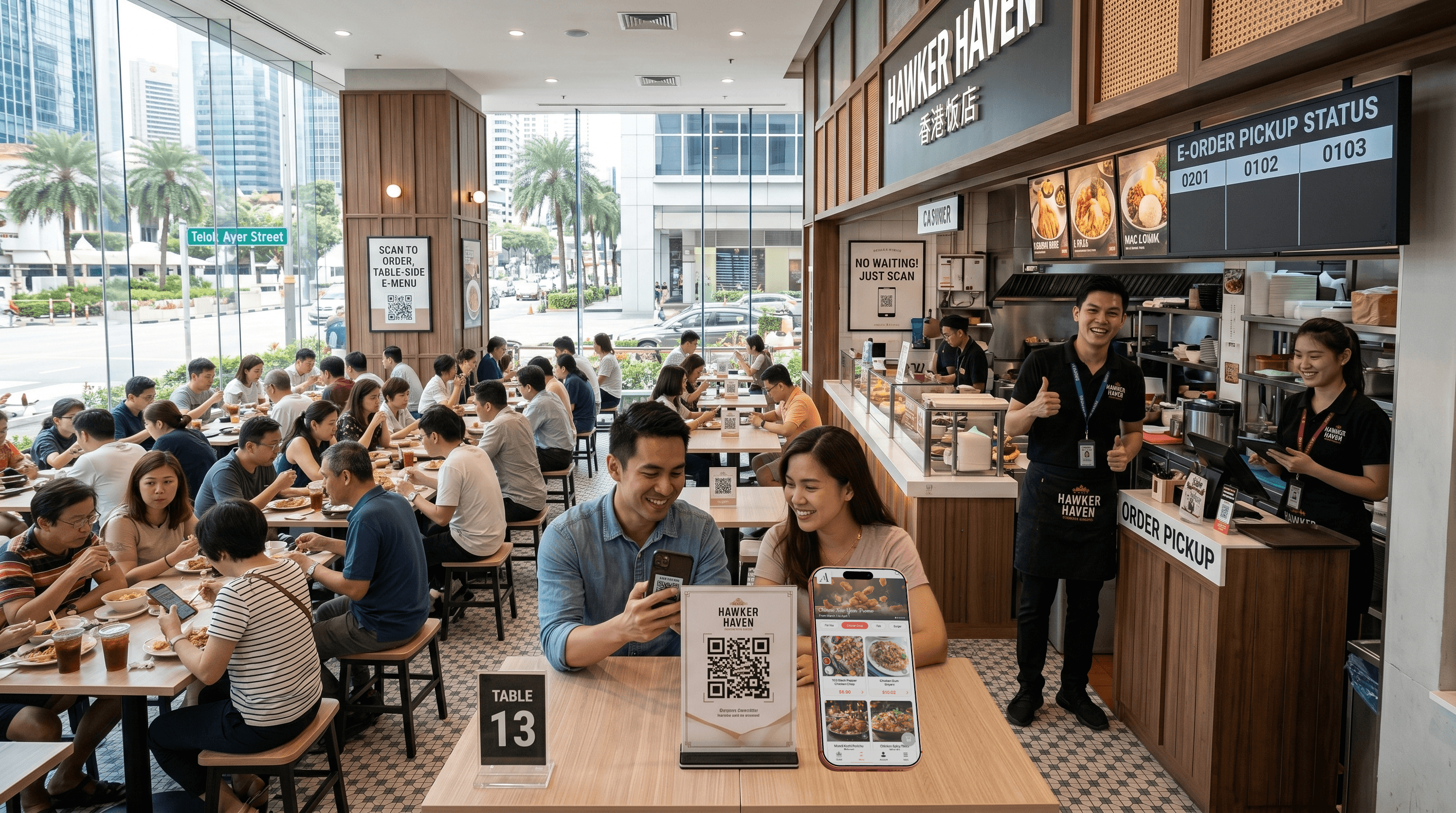
The QR-Based Digital Ordering System is an end-to-end contactless platform designed for the Food & Beverage (F&B) industry. It replaces traditional physical menus and manual waitstaff ordering by allowing customers to browse, order, and pay entirely through their own smartphones.

The QR-Based Digital Ordering System is an end-to-end contactless platform designed for the Food & Beverage (F&B) industry. It replaces traditional physical menus and manual waitstaff ordering by allowing customers to browse, order, and pay entirely through their own smartphones.

Platform

Platform

Mobile Web (QR)

Native Merchant App

Admin Dashboard

Tools

Tools

Figma

React / Next JS

Tailwind CSS

Role

Role

Product Designer

UI Owner

React Collaborator
Warely Technologies

Singapore

Warely Technologies

Singapore

How it works (The Core Features):

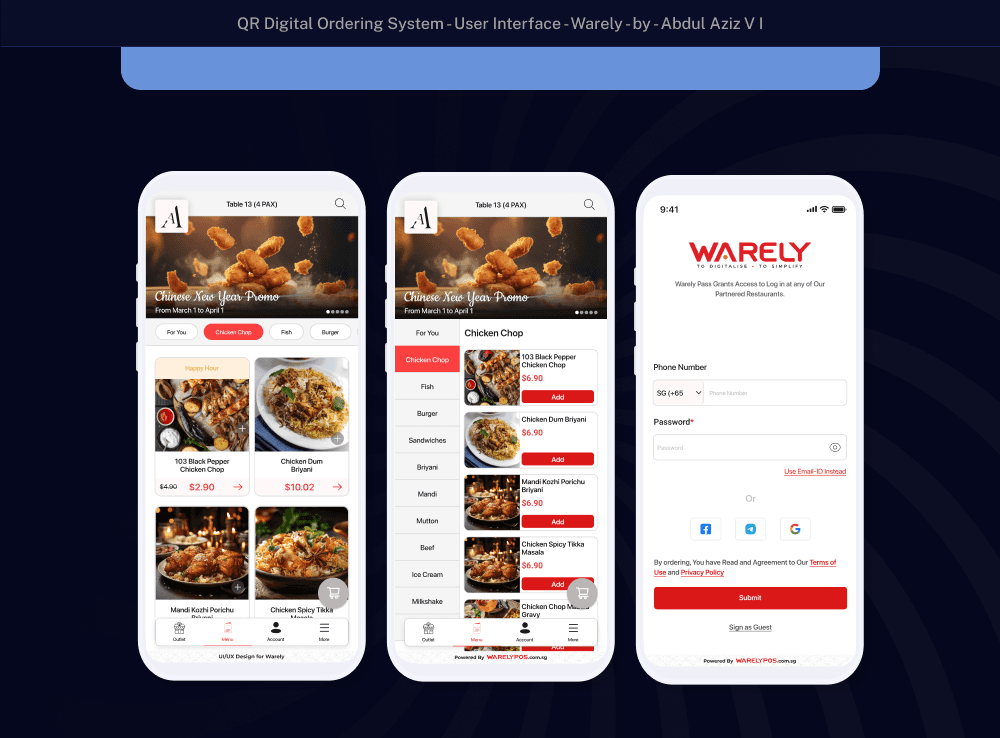
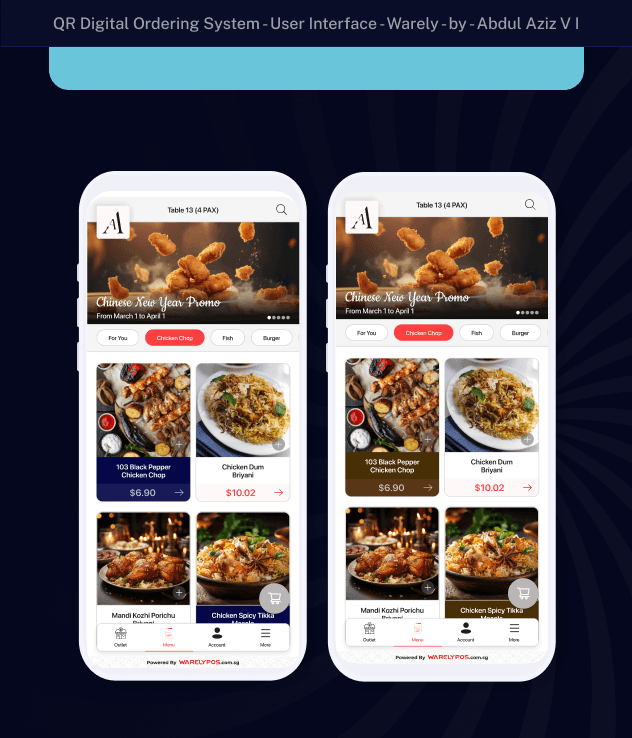
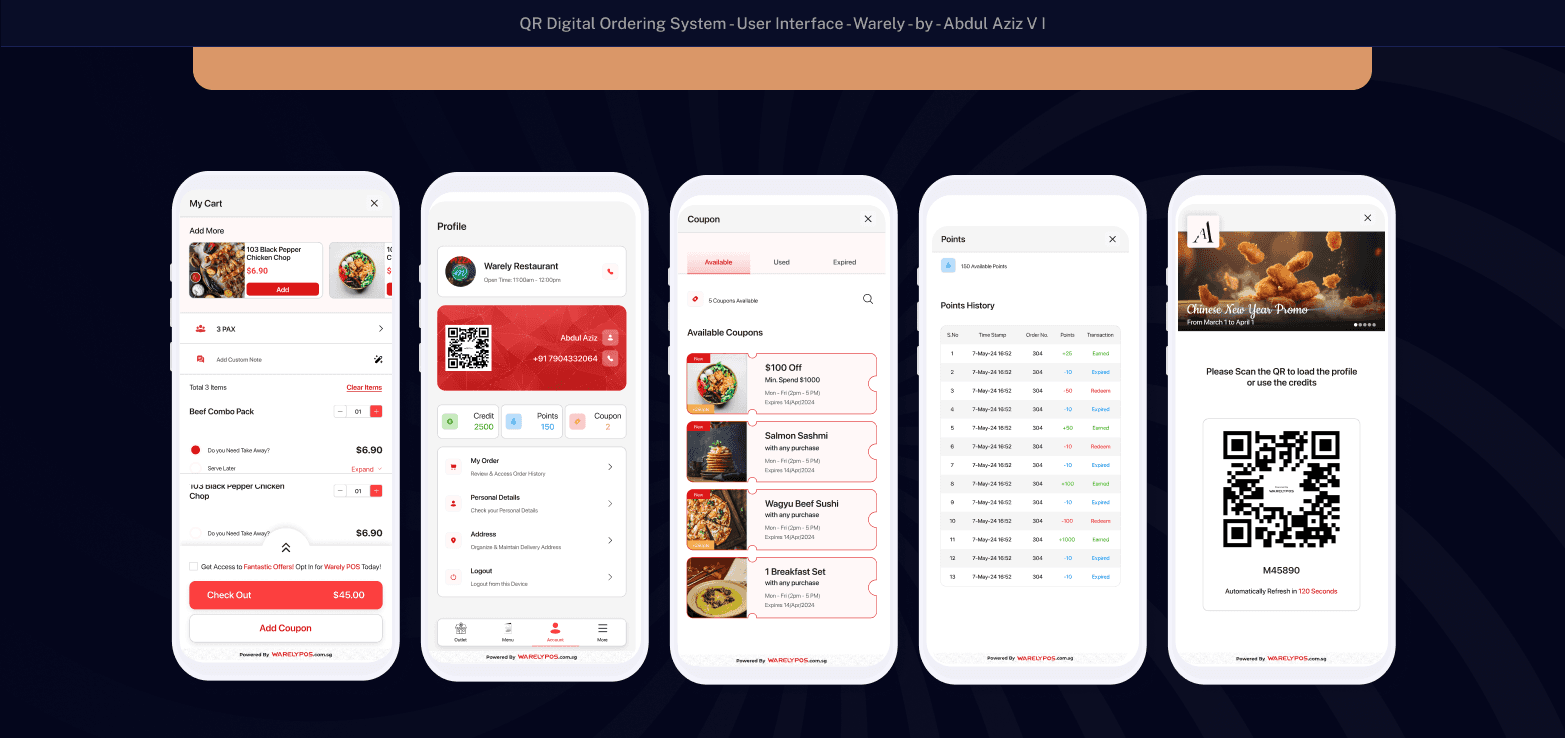
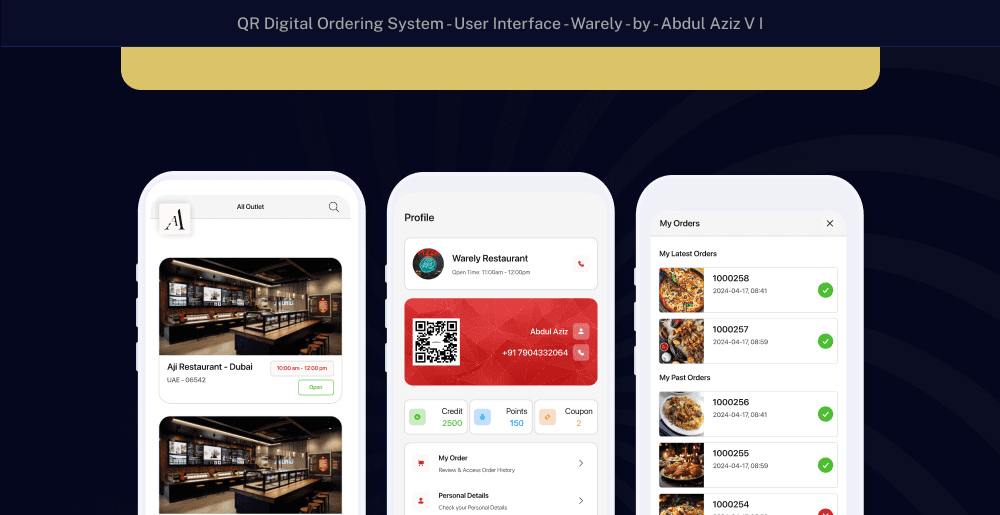
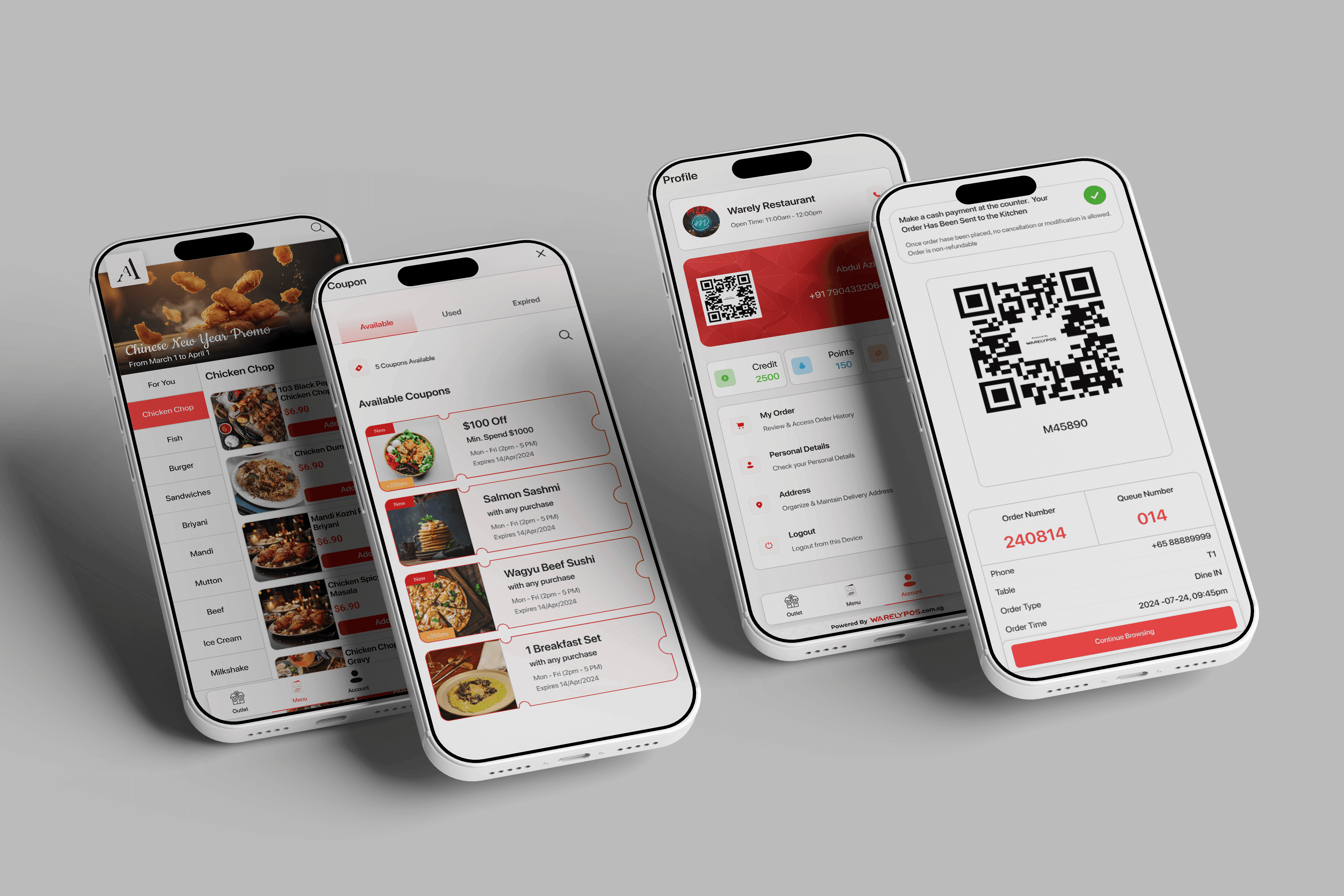
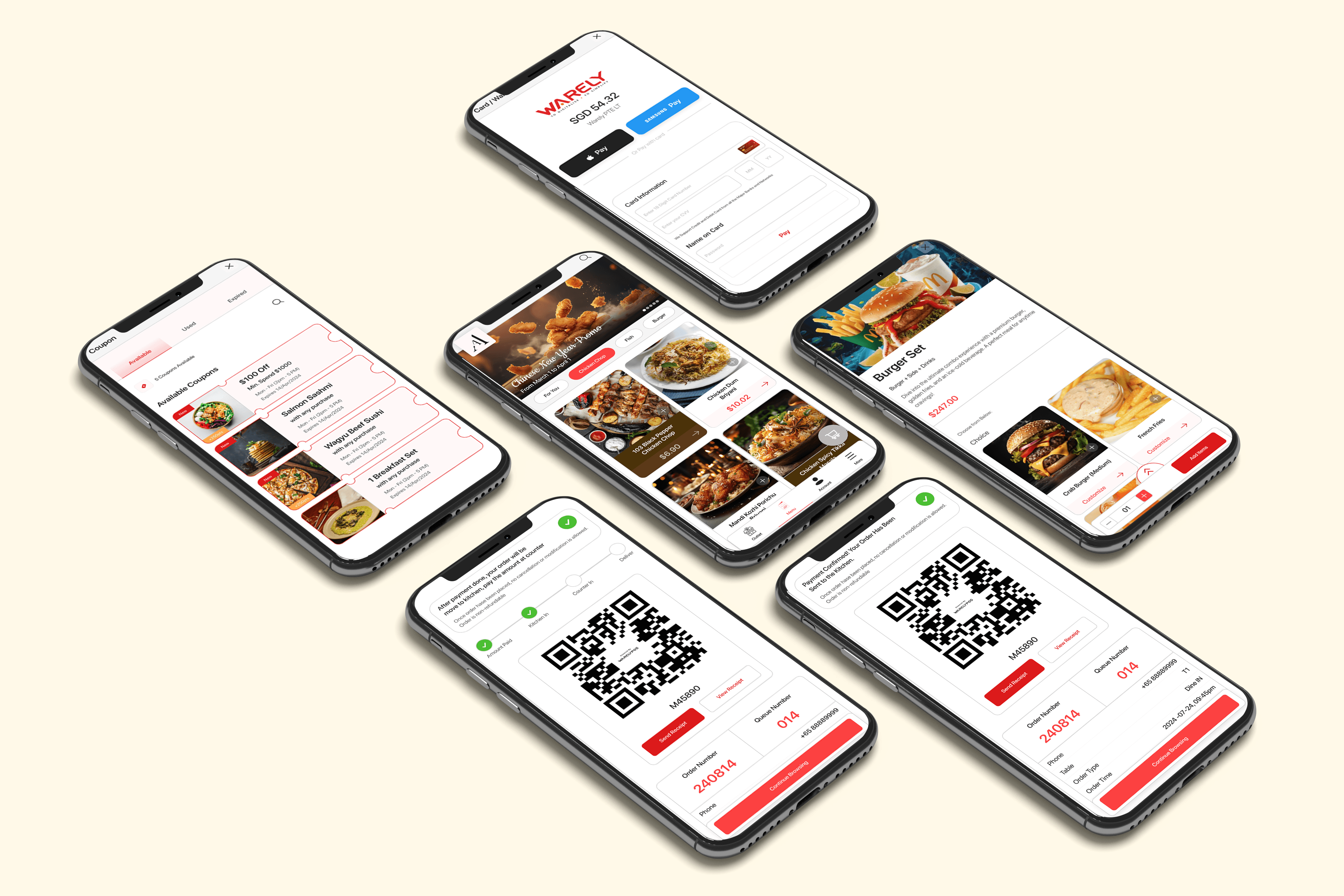
📱 Contactless QR Ordering Customers scan a QR code at their table to access a digital menu. The system supports both Dynamic QR codes (which are generated for a specific table and expire after payment) and Static QR codes (which are permanent and reusable).

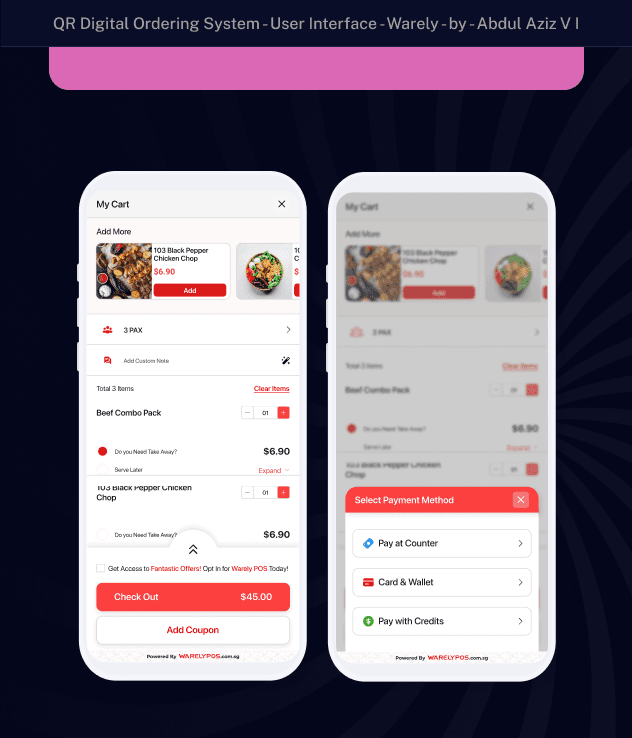
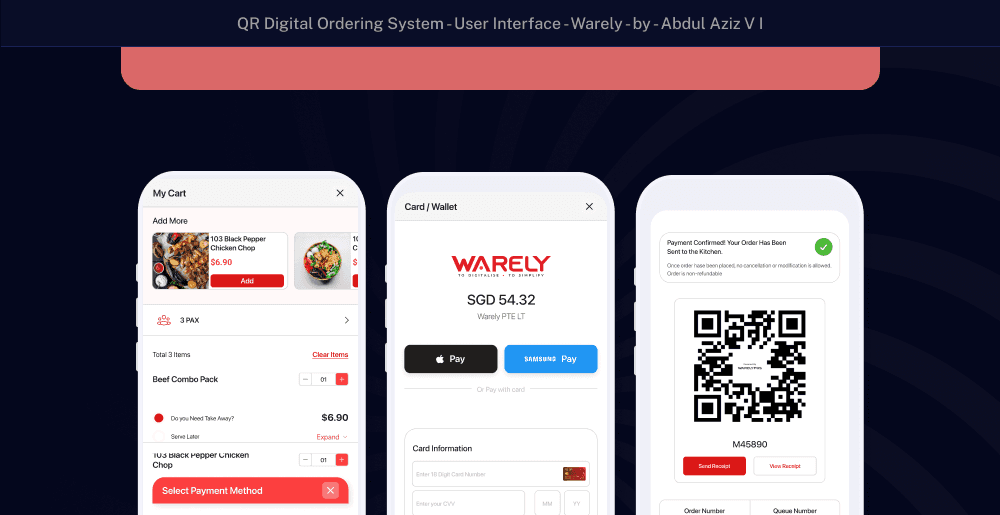
💳 Flexible Payment Integration Once customers select their food, they can pay directly through the app using secure online processing (Stripe). It also supports a digital credit system for loyalty programs, as well as traditional "pay-at-counter" options for maximum flexibility.

🧾 Automated Kitchen Routing After an order is placed and paid for, it bypasses manual entry and is routed directly to the kitchen via printed tickets or a digital Kitchen Display System (KDS). It even supports complex multi-counter order routing to keep operations running smoothly.

Problem

Statement

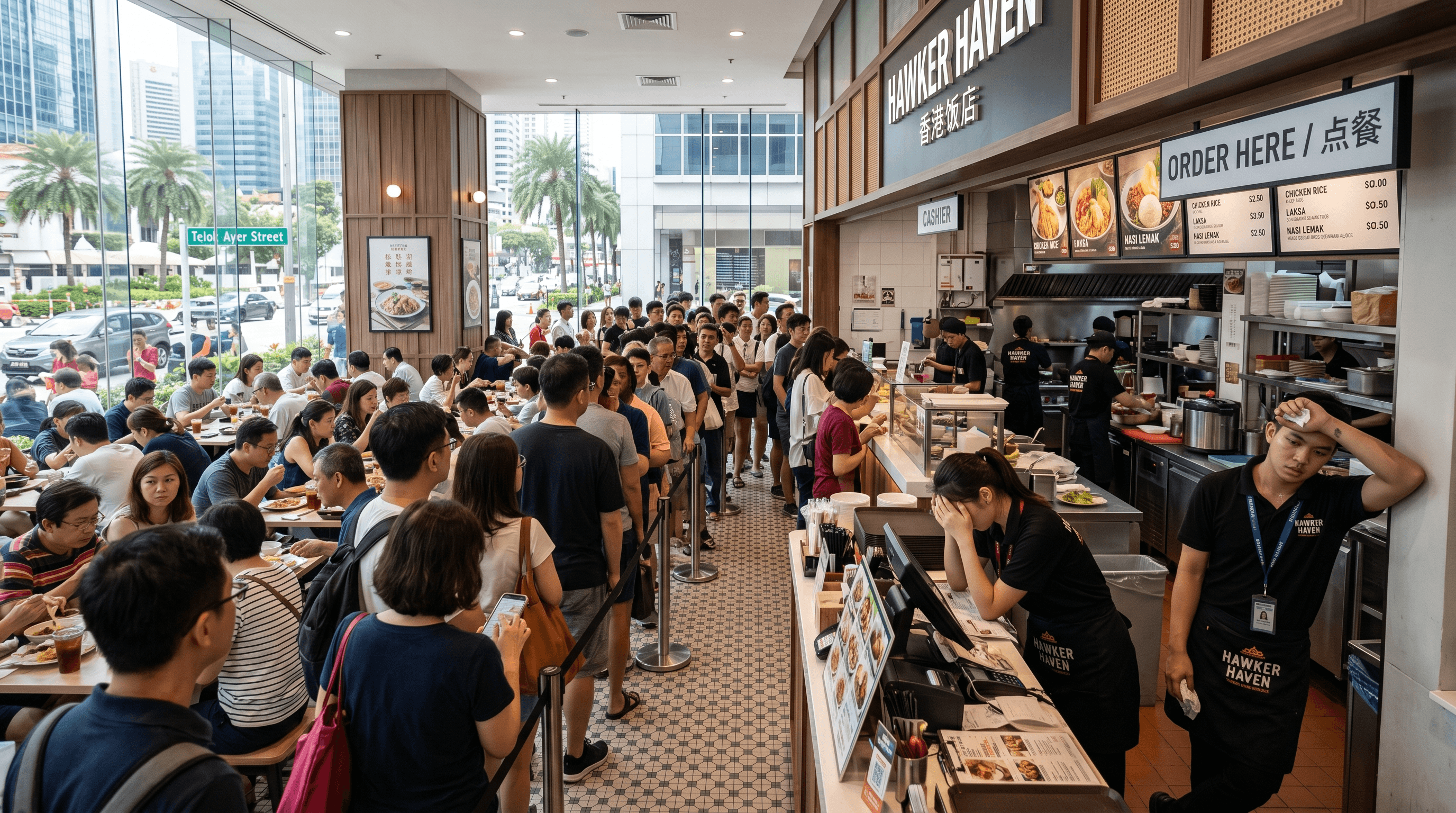
Traditional restaurant operations are often slowed down by manual processes. During peak hours, relying on physical menus and waitstaff for order taking creates significant bottlenecks. This traditional approach leads to slow table turnover, a higher risk of human error during order entry, and frustrating wait times for customers who simply want to place an order or pay their bill.

Problem

Statement

Traditional restaurant operations are often slowed down by manual processes. During peak hours, relying on physical menus and waitstaff for order taking creates significant bottlenecks. This traditional approach leads to slow table turnover, a higher risk of human error during order entry, and frustrating wait times for customers who simply want to place an order or pay their bill.

Problem

Statement

Traditional restaurant operations are often slowed down by manual processes. During peak hours, relying on physical menus and waitstaff for order taking creates significant bottlenecks. This traditional approach leads to slow table turnover, a higher risk of human error during order entry, and frustrating wait times for customers who simply want to place an order or pay their bill.

Solution

Statement

We designed an end-to-end digital ordering platform that empowers customers and streamlines operations. By leveraging the simplicity of QR code technology, the system eliminates the need for physical menus and manual ordering.

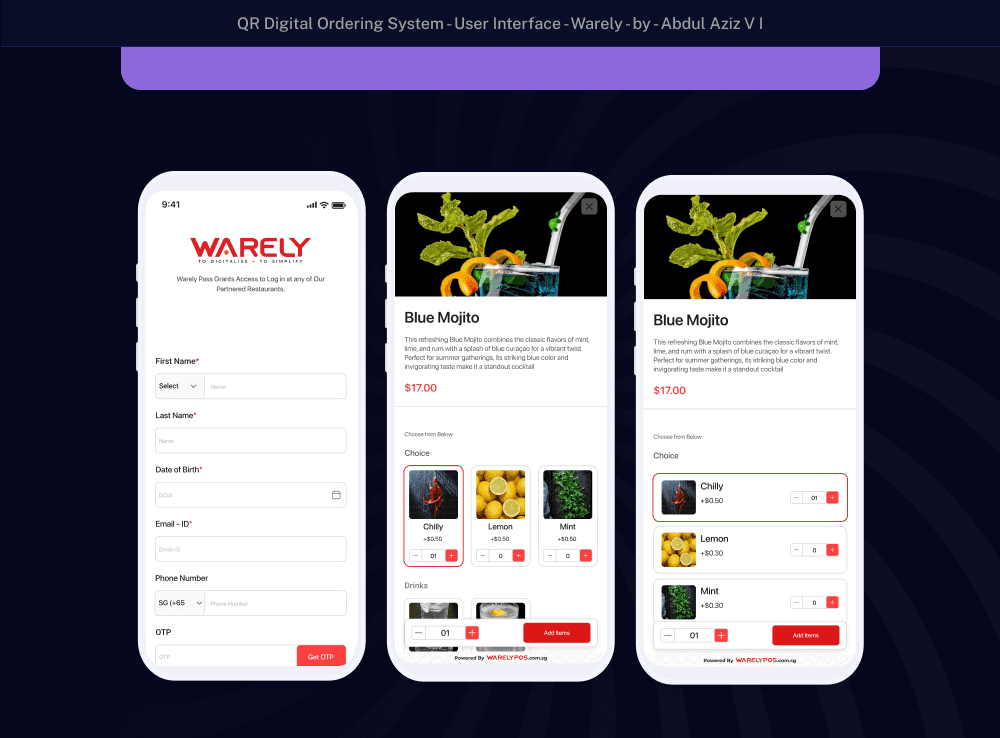
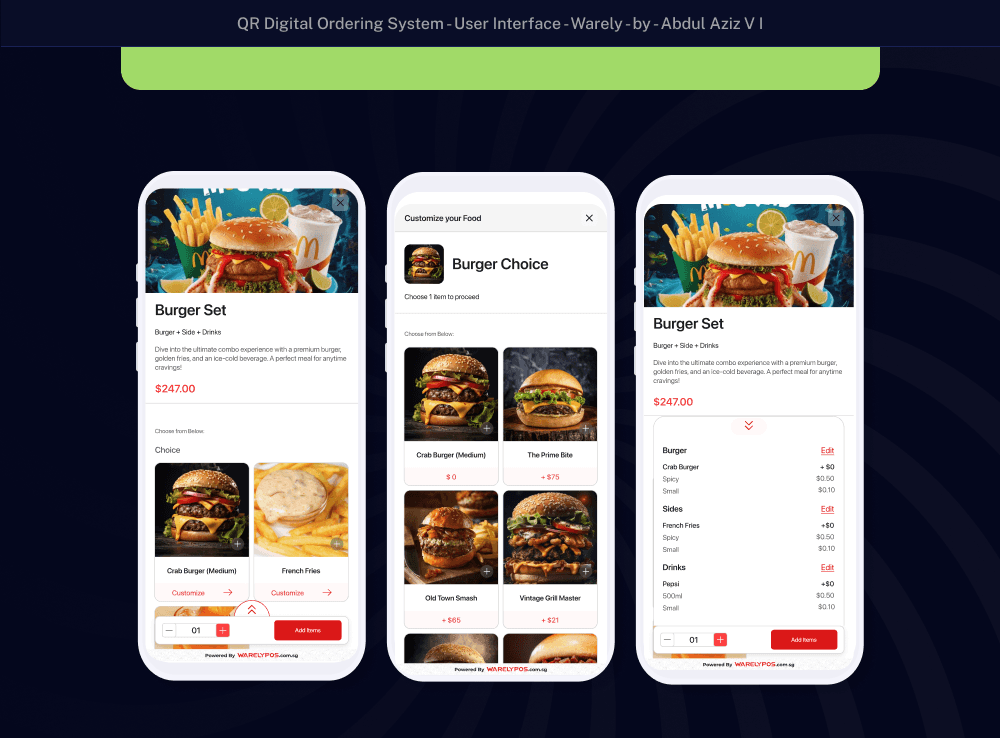
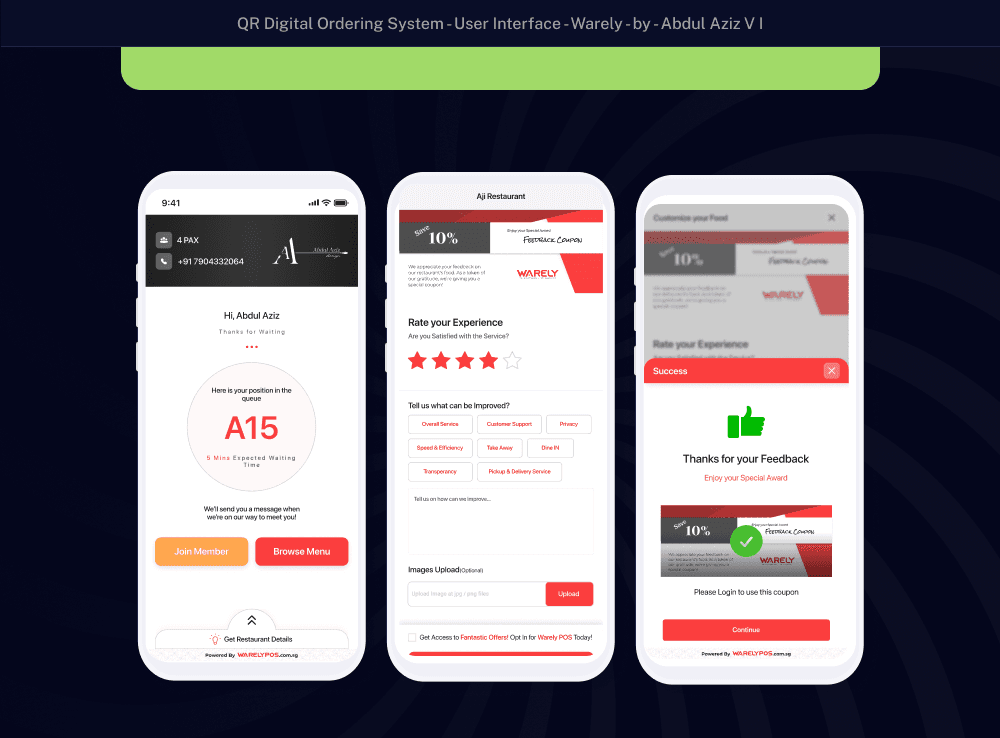
Customers gain full control of their dining experience—scanning a table-specific QR code to browse the menu, customize items, and complete payments securely from their own smartphones. Simultaneously, orders bypass manual entry and are automatically routed to the Kitchen Display System (KDS), drastically reducing errors and improving overall operational speed.

Solution

Statement

We designed an end-to-end digital ordering platform that empowers customers and streamlines operations. By leveraging the simplicity of QR code technology, the system eliminates the need for physical menus and manual ordering.

Customers gain full control of their dining experience—scanning a table-specific QR code to browse the menu, customize items, and complete payments securely from their own smartphones. Simultaneously, orders bypass manual entry and are automatically routed to the Kitchen Display System (KDS), drastically reducing errors and improving overall operational speed.

Competitor

Analysis

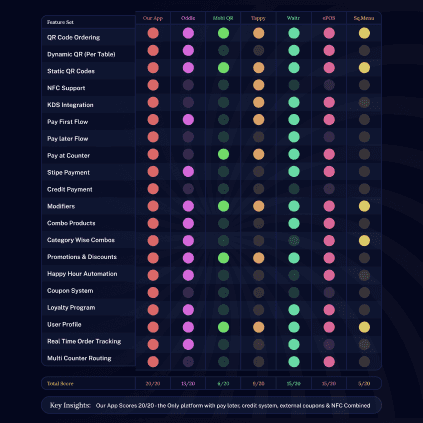
Before designing the interface, I analyzed direct and indirect competitors in the F&B space—from basic PDF menus to major food aggregators. My goal was to identify usability bottlenecks and find a way to reduce friction for both the customer and the restaurant.

Traditional PDF Menus: Completely static. Users must pinch-and-zoom, and restaurants still rely on manual waitstaff to actually place the order.

Third-Party Aggregators (e.g., Talabat, Deliveroo): Forces users to download an app or create an account just to dine in. Furthermore, the merchant loses their brand identity and pays high commission fees.

Legacy POS Web Add-ons: Feature-rich but suffer from clunky, outdated UIs that make item customization (like adding extra toppings) confusing for the user.

Competitor

Analysis

Before designing the interface, I analyzed direct and indirect competitors in the F&B space—from basic PDF menus to major food aggregators. My goal was to identify usability bottlenecks and find a way to reduce friction for both the customer and the restaurant.

Traditional PDF Menus: Completely static. Users must pinch-and-zoom, and restaurants still rely on manual waitstaff to actually place the order.

Third-Party Aggregators (e.g., Talabat, Deliveroo): Forces users to download an app or create an account just to dine in. Furthermore, the merchant loses their brand identity and pays high commission fees.

Legacy POS Web Add-ons: Feature-rich but suffer from clunky, outdated UIs that make item customization (like adding extra toppings) confusing for the user.

User

Persona

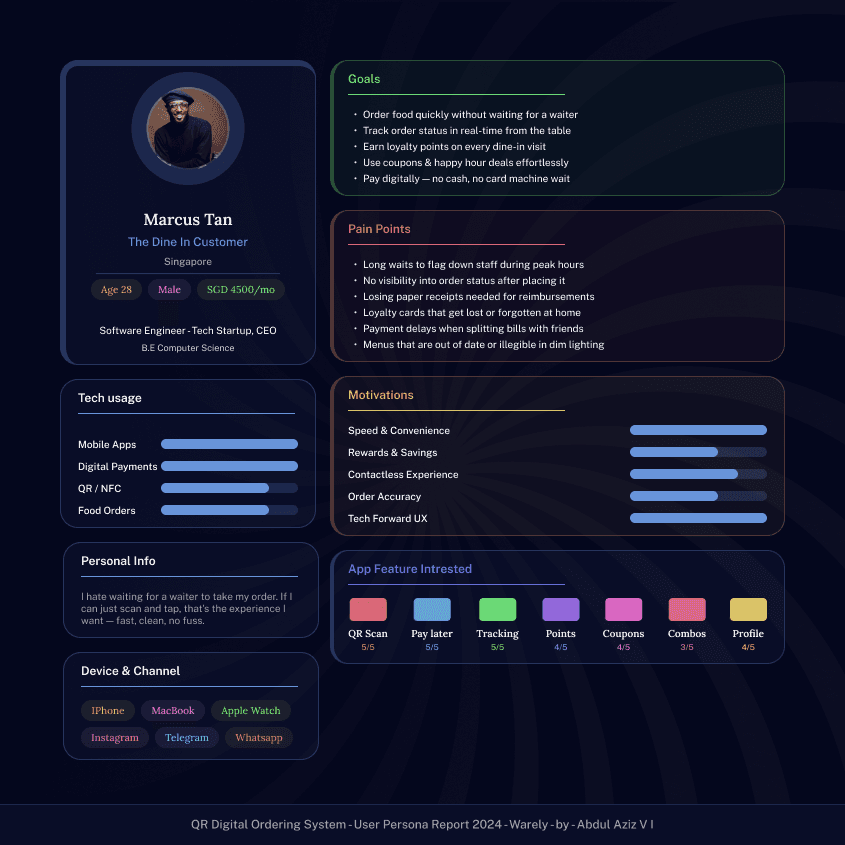
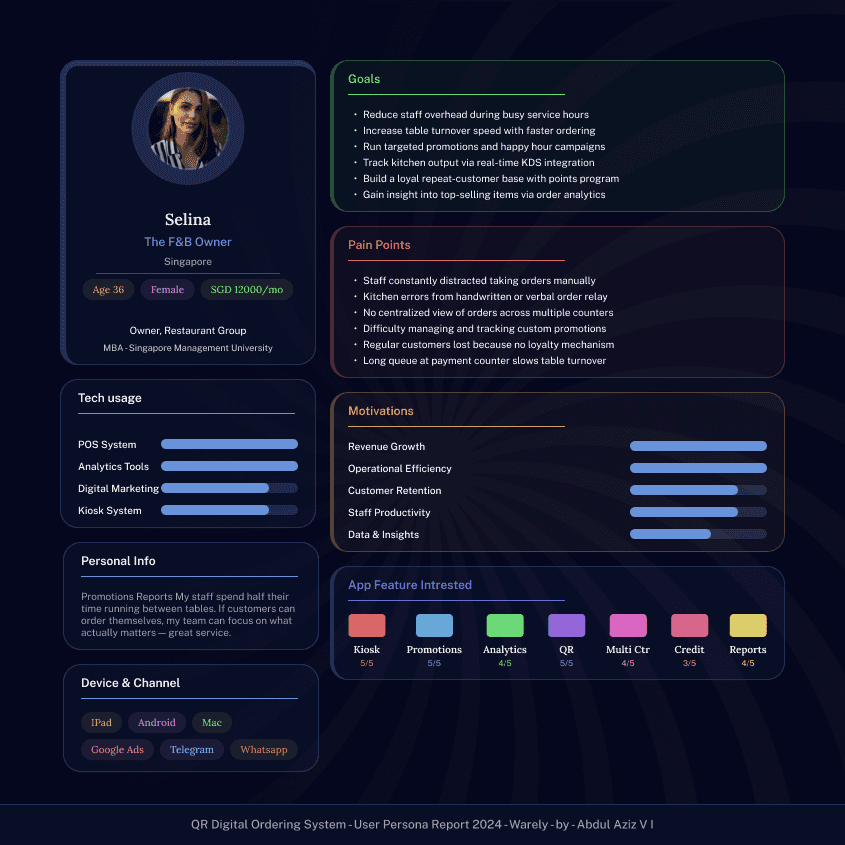
Our research indicated that modern diners prioritize speed, order accuracy, and convenience, especially during peak restaurant hours. By mapping out their primary frustrations with traditional dining such as waiting for waitstaff to bring menus or struggling to split the bill I was able to tailor a UI that feels fast, intuitive, and completely frictionless.
UI Gallery

Let’s Build Something

Meaningful Together

Currently based in Dubai and open to UI/UX and Product Design roles. If you're looking for a designer who understands complex systems, business goals, and frontend logic—let's talk.

Let’s Build Something

Meaningful Together

Currently based in Dubai and open to UI/UX and Product Design roles. If you're looking for a designer who understands complex systems, business goals, and frontend logic—let's talk.

Let’s Build Something

Meaningful Together

Currently based in Dubai and open to UI/UX and Product Design roles. If you're looking for a designer who understands complex systems, business goals, and frontend logic—let's talk.

A product-focused UI/UX Designer bridging the gap between research, design, and React-friendly architecture.

ic
ri

Copyright ©2026 Abdul Aziz - Designed by Abdul Aziz

A product-focused UI/UX Designer bridging the gap between research, design, and React-friendly architecture.

ic
ri

Copyright ©2026 Abdul Aziz - Designed by Abdul Aziz

A product-focused UI/UX Designer bridging the gap between research, design, and React-friendly architecture.

ic
ri

Copyright ©2026 Abdul Aziz - Designed by Abdul Aziz